With our guides you will be able to personalize duration and difficulty of the routes based on your own wishes and walking pace. In a few clicks you can create your personalized hiking guides. Choose your starting point, your arrival point and, if you wish, even a middle point where to take a break.
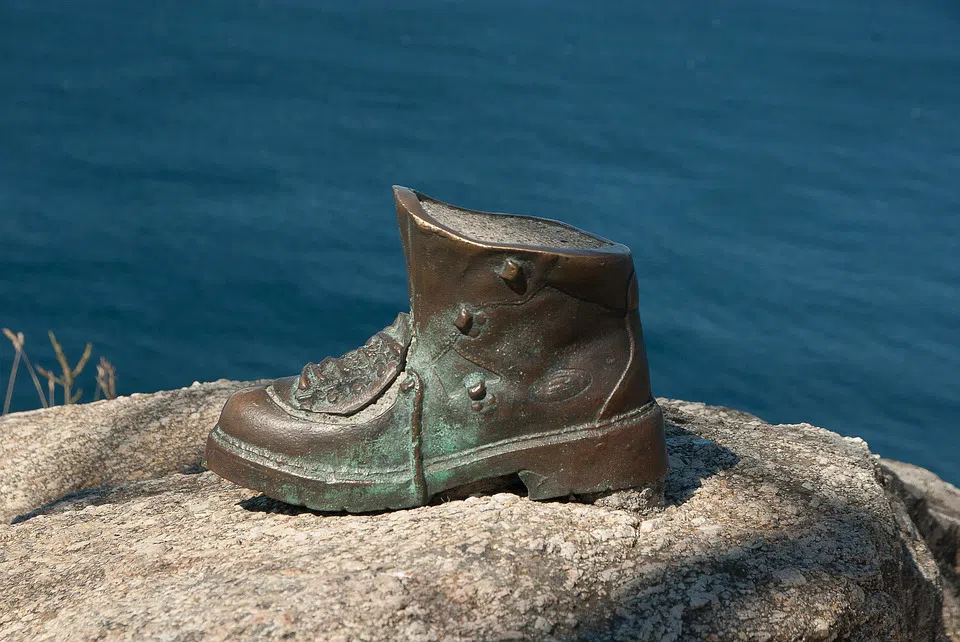
The Finisterre and Muxía Way represents the natural continuation of the Jacobean pilgrimage, a spiritual epilogue that leads toward the westernmost edge of Europe, where for centuries people believed the land ended and the unknown began. Unlike the other routes, this path does not have Santiago de Compostela as its final destination, but rather as the starting point toward Cape Finisterre and the Sanctuary of the Virxe da Barca in Muxía. With a total length ranging between 90 and 120 kilometers depending on the chosen itinerary, this Way crosses the province of A Coruña, in the autonomous community of Galicia, offering pilgrims two distinct yet equally fascinating alternatives. Pilgrims can choose to head first toward Finisterre and then continue on to Muxía, or follow the reverse itinerary, reaching Muxía first and then Finisterre. Both variants share the first two common stages from Santiago to Olveiroa, before splitting into routes that offer breathtaking coastal landscapes, ancient traditions, and a mystical atmosphere where the sun seems to sink into the ocean. This Way offers the opportunity to complete one’s pilgrimage in front of the vastness of the Atlantic, in places steeped in spirituality where Christianity and ancient Celtic beliefs blend into an unforgettable experience. Important: although the route from Santiago to Finisterre measures about 90 km and the one to Muxía about 87 km, if completed in the reverse direction (from Muxía or Finisterre toward Santiago), the Way reaches the 100 km required to obtain the Compostela. It is in fact possible to walk the Way “in reverse”, starting from Finisterre or Muxía and having Santiago as the final destination, an option increasingly appreciated by pilgrims who wish to end their journey in the Galician capital.
Map of The Camino Finisterre and Muxia
Our guides
History and characteristics of the route
The Finisterre and Muxía Way has its roots in a past that predates even the Christian era. This ancient route dates back to prehistoric civilizations and was later travelled by the Celts, who considered these places sacred and imbued with magic and mystery. The tradition of walking westwards, following the movement of the sun to the edges of the known world, represents a universal archetype of spiritual quest that Christianity later absorbed and reinterpreted. The very name Finisterre comes from the Latin Finis Terrae, the End of the Earth, that magical place where the sun is swallowed by the ocean, creating an atmosphere charged with spirituality that attracts pilgrims from every corner of the planet.
The Codex Calixtinus, a precious 12th-century manuscript, recounts how the disciples of the Apostle James travelled to Dugium, present-day Finisterre, to obtain permission from the Romans to bury the Saint, who was later transferred to Compostela. As early as the 9th century, when the Apostle’s remains were discovered, many pilgrims continued their journey as far as the Costa da Morte, the stretch of Atlantic coastline so named because of the numerous shipwrecks that have marked these stormy waters over the centuries. The route still preserves a wild, unspoilt beauty today, characterised by towering cliffs, deserted beaches and waves of incomparable power that have inspired countless Galician folk legends.
Muxía is the other fundamental destination of this route. The Church of the Virxe da Barca literally merges with the rocks and the sea, creating a perfect union between sacred architecture and nature. Legend has it that the Virgin Mary arrived here on a stone boat to encourage the Apostle James during his evangelising mission in Galician lands. Pilgrims who reach the sanctuary can contemplate three sacred stones which, according to tradition, were part of the miraculous vessel: the Pedra de Abalar (the rocking stone), which represents the hull and to which many symbolic properties are attributed, ranging from a divinatory function to being considered a tool to test people’s guilt or innocence. According to popular tradition, in fact, when the stone rocked it was a sign of truth, innocence or divine favour; on the contrary, if it remained still, it indicated guilt, falsehood or lack of sincerity. The Pedra dos Cadrís (the stone of the loins), identified with the sail, beneath which tradition invites people to pass nine times to relieve back pain and kidney ailments; and finally the Pedra do Timón (the rudder stone).
The route crosses landscapes that are typically Galician, characterised by small villages with preserved popular architecture, hórreos (traditional raised granaries built on columns with flat capitals to protect the harvest from mice), pine, eucalyptus and oak woods that create a palette of greens in different shades, cultivated fields and a wild coastline of rare beauty. The route has a medium level of difficulty, with some demanding sections characterised by climbs and elevation changes, but is generally accessible to walkers with normal physical preparation. Along the way, small temples of great religious tradition can be found, such as San Martiño de Duio and the church of Santa María das Areas in Finisterre, as well as the church of Santa María de Muxía.
In the 1990s, the Way to Finisterre and Muxía was restored as a Jacobean route by the Galician Association of Friends of the Camino de Santiago and recognised by the Xunta de Galicia as an official itinerary. Both routes have their own official certification: the Fisterrana, a document certifying the pilgrimage to Finisterre, which can be collected at the public hostel, and the Muxiana, which pilgrims heading to Muxía can obtain at the local Tourist Office. This route is aimed at pilgrims seeking a more intimate and contemplative experience, less crowded than the famous French Way, and who wish to complete their spiritual journey facing the immensity of the Atlantic Ocean.
The route of the Finisterre and Muxía Way
The pilgrimage to Finisterre begins in the magnificent Santiago de Compostela, with pilgrims leaving the famous Praza do Obradoiro between the Hostal dos Reis Católicos and the Pazo de Raxoi, following the rúa das Hortas that leads to the neighbourhood of San Lourenzo, characterised by low houses and an evocative oak wood known as a carballeira. After crossing the Sarela river, the urban landscape gives way to lush nature that embraces the path. The route passes through the villages of Figueiras and Villestro as far as Alto do Veto, then enters the municipality of Ames, land dear to the famous Galician writer Rosalía de Castro, where she spent much of her life. At Aguapesada, pilgrims face a demanding climb towards Trasmonte, then descend towards one of the most emblematic places on the route: Ponte Maceira, where the Tambre river flows calmly beneath a medieval bridge which, according to tradition, was crossed by the disciples of the Apostle James on their journey to Finisterre. This place of rare beauty marks the boundary between the municipalities of Ames and Negreira, where the day ends at the Pazo del Cotón, which, together with the chapel of San Mauro, represents one of the most important religious and artistic heritages in the area.
From Negreira, the route crosses the Barcala river and continues along the Camiño Real through the hamlets of Portocamiño and Cornovo, immersed in a landscape typical of A Coruña province, made up of small villages, pine, eucalyptus and oak woods, and cultivated land that draws different shades of green. At Vilaserío, the first third of the stage is completed, then the path enters the municipality of Mazaricos, where the area of Santa Mariña and the A Fervenza dam can be admired. Waymarking requires attention to avoid unnecessary detours. From here, only the final effort remains towards Ponte Olveira and Olveiroa, a parish belonging to Dumbría, a municipality that proudly preserves the traditional atmosphere of its villages. The hórreos in this area are particularly interesting, built on columns with flat capitals that represent the ingenious Galician solution for keeping mice away from the harvest.
At Olveiroa, the route splits, offering pilgrims two fascinating alternatives. Those who choose to head towards Finisterre continue towards the Castrelo dam, climbing to enjoy spectacular views with the Xallas river in the background. The inland landscape sometimes makes one forget that the sea lies beyond the mountains, ready to reveal itself in all its majesty. At Hospital, a small village ideal for stocking up on supplies, there is the junction between Finisterre and Muxía. Following the road towards Finisterre, at the cruceiro (stone cross) of Armada the descent begins towards Cee, a seaside town that offers all necessary services. From here, two alternative routes lead to Corcubión: the historic way through the town along inland streets, or the coastal path, decidedly more panoramic and evocative. The climb from Corcubión towards Vilar is short but demanding, before continuing through Estorde to Sardiñeiro and reaching the magnificent Langosteira beach. Although the route turns back inland, many pilgrims prefer to ignore it and walk along the sand, letting themselves be caressed by the Atlantic breeze.
Finisterre welcomes pilgrims with the public hostel located on Calle Real, where it is possible to collect the Fisterrana. The journey does not end here: there are still three kilometres to the Finisterre Lighthouse, the ultimate destination of this spiritual journey. Before tackling the final climb, it is worth stopping in the village to enjoy seafood, especially longueirón, a prized mollusc similar to a clam. The ascent to the lighthouse is gentle yet filled with anticipation, leading to the most spectacular view over the Atlantic one can imagine, especially at sunset when the sun plunges into the horizon. Here, the pilgrim finally reaches the place where, for centuries, it was believed the land ended, a perfect and unforgettable fusion of history and salty air, where the kilometre 0 of the Camino de Santiago meets the infinity of the ocean.
Those who instead choose to reach Muxía first from Olveiroa continue straight on at the Hospital junction, walking among wind farms with turbines slowly turning against the Galician sky. The path continues through Santa Baia and the sports facilities of O Conco, an ideal place for a break. After about ten kilometres, the village of Dumbría is reached, where all necessary services are available. Seven kilometres further on, the route passes through A Grixa, where the typical inland landscape of A Coruña still does not reveal the proximity of the sea. The first villages in the municipality of Muxía are Quintáns and Os Muíños, where the interesting 13th-century monastery of Moraime is located. Then Muxía finally appears, a town of legends and sea, dominated by the Sanctuary of A Nosa Señora da Barca. The church suffered a tragedy on Christmas Day 2013, when a terrible fire, apparently caused by lightning striking the roof directly, almost completely destroyed it, making a full reconstruction necessary. Next to the sanctuary is the famous Pedra de Abalar, which according to legend has the shape of a boat because it was upon it that the Holy Virgin arrived on the Galician coast.
For those who wish to complete both destinations, a coastal route connects Finisterre and Muxía through a walk of about thirty kilometres, which can be tackled in either direction. From Finisterre, the path passes again by Praia de Langosteira, already familiar to pilgrims, and near the Arenal hotel there is a sign indicating the village of Duio with its baroque church. Continuing towards Hermedesuxo de Abaixo, the traditional route lies to the right, while going straight along the asphalt road leads to Praia do Rostro. The official route leads to Buxán, the intermediate point of the stage, continuing through the municipality of Finisterre to Padrís, where pilgrims who have chosen the detour to O Rostro are encountered. A gentle descent leads to Lires, a village in the municipality of Cee with a beautiful beach, where it is necessary to stamp the Credential if one wishes to stay overnight in the public hostel of Muxía and receive the Muxiana at the end of the journey.
The Castro river is the first landmark when continuing north; after crossing it, one reaches Frixe, already within the municipality of Muxía. There are still five kilometres to Morquintián, where attention must be paid to the waymarking by following the yellow arrows on the paving. The path climbs to the Facho de Lourido, a panoramic point where bonfires were once lit to warn ships of the dangers of this coast, and then descends towards Xurarantes. From here, skirting Lourido beach, one finally enters Muxía with its Sanctuary of the Virxe da Barca and the famous Pedras Santas that await the pilgrim for the final, meaningful ritual of the route.
How to return from Muxía to Santiago
Once the pilgrimage to Muxía has been completed, pilgrims have several options for returning to Santiago de Compostela using public transportation. This coastal town, although more isolated than Finisterre, is still connected to the Galician capital through transport services that require a bit of planning.
By Bus: the most direct way to return from Muxía to Santiago is by bus. There are regular bus services to Santiago de Compostela and A Coruña, mainly operated by the company Monbus, with several daily departures. Tickets can be purchased directly on board, although it is important to check timetables in advance as they vary between weekdays and weekends. Buses depart from the main stop in Muxía, and the journey to Santiago takes about two and a half hours, crossing rural and coastal landscapes of Galicia. Outside the summer season, services may be reduced, so planning ahead is recommended. Alternatively, it is possible to take a local bus to Finisterre or Corcubión and continue from there with more frequent connections. For up-to-date information, it is advisable to consult the Monbus website or contact the tourist office in Muxía.
By Train: Muxía does not have a railway station, so to travel by train it is first necessary to reach a city with rail connections. The most practical option is to take a bus directly to Santiago de Compostela, or alternatively reach Vigo or A Coruña and use the Galician rail network from there. Santiago is well connected by regional and long-distance trains linking the city with the main destinations in Galicia and the rest of Spain, including direct connections to Madrid, Barcelona, San Sebastián and Bilbao. Santiago de Compostela railway station is located about a twenty-minute walk from the historic centre.
By Plane: for those wishing to continue their journey or return home by air, Santiago de Compostela Airport – Lavacolla is located just ten kilometres from the city centre. The airport offers daily flights to major Spanish cities such as Madrid, Barcelona, Bilbao and Seville, as well as direct connections to European capitals including Paris, London and Brussels. To reach the airport from Santiago, the company Freire operates bus services every thirty minutes from the city centre. Pilgrims coming from Muxía must therefore first reach Santiago by bus and then continue on to the airport.
How to return from Finisterre to Santiago
After completing the pilgrimage to the Finisterre Lighthouse, pilgrims have several options to return to Santiago de Compostela, all convenient and relatively quick, thanks to Finisterre’s more favourable logistical position compared to Muxía.
By Bus: this is the most commonly used and convenient option for returning from Finisterre to Santiago. There are regular bus services to Santiago de Compostela and A Coruña, with Monbus providing daily direct connections between the two locations. Buses depart from the Finisterre bus station located in the town centre, with tickets available for purchase directly on board. The journey takes about two and a half hours and passes through the same landscapes walked during the Camino, allowing pilgrims to revisit the places of their recent experience from a different perspective. During the peak summer season, services are more frequent, while in winter months it is advisable to check timetables in advance. It is important to note that schedules vary between weekdays and weekends. For updated information on timetables, prices and bookings, pilgrims can consult the Monbus website or contact the tourist office in Finisterre or local accommodation providers.
By Train: as with Muxía, Finisterre does not have its own railway station. To use the train, it is necessary to first reach Santiago by bus or travel to a city with a railway station such as A Coruña, about one hour away by bus from Finisterre. Once in Santiago, the railway station offers excellent connections throughout Galicia and to major Spanish cities. Regional trains connect Santiago with A Coruña, Vigo, Pontevedra and other Galician destinations, while long-distance trains run to Madrid, Barcelona, San Sebastián, Hendaye and Bilbao. With just one transfer, it is also possible to reach Portugal and France, making the rail network an excellent option for those continuing their journey after the pilgrimage.
By Plane: Santiago de Compostela Airport – Lavacolla is the main air gateway to Galicia and is extremely conveniently located, just ten kilometres from the centre of Santiago. The airport has daily connections to all major Spanish cities and several European destinations. Low-cost airlines have significantly expanded their services in recent years, making flights to and from Santiago available at competitive prices. To reach the airport from Finisterre, it is first necessary to take a bus to Santiago and then use the Freire shuttle service, which connects the city centre with the airport every thirty minutes. The shuttle journey takes about twenty minutes and allows easy access to the terminal. The post offices in Finisterre also offer a convenient bicycle shipping service, highly appreciated by pilgrims who completed the Camino by bike and wish to return home without carrying their equipment. Alternatively, A Coruña Airport is also an excellent arrival point, from which it is easy to continue by bus.
When to walk the Finisterre and Muxía Camino
The Finisterre and Muxía Camino can be walked throughout the year, but each season offers distinct characteristics that significantly influence the pilgrim’s experience, especially considering the strong Atlantic exposure of this route.
Spring (from March to June) is one of the most evocative periods to undertake this Camino. The landscape awakens with lush, flowering vegetation, oak and eucalyptus forests release intense aromas, and temperatures are generally mild, ideal for walking. Days gradually become longer, offering more daylight hours to enjoy coastal views. However, rainfall can be frequent, especially in March and April, so good waterproof gear is recommended. The main advantage is the lower number of pilgrims compared to summer, allowing for a more intimate and contemplative experience.
Summer (from July to September) is the season with the highest number of tourists and pilgrims. Temperatures are warm but rarely excessively hot thanks to the Atlantic breeze, which moderates the coastal climate and makes walking more bearable than in other parts of Spain. Long summer days allow pilgrims to fully enjoy the spectacular sunsets at the Finisterre Lighthouse and to plan stages with greater flexibility. Accommodation and services along the route are fully operational, and local village festivals enrich the cultural experience. The main drawbacks are crowded hostels and the need to book in advance, as well as the heat which, although mitigated by the wind, can be demanding during the central hours of the day, especially on inland stretches with little shade.
Autumn (from October to November) is considered by many experienced pilgrims to be the ideal time for this Camino. Temperatures are still pleasant, especially in October, and tourist numbers drop significantly after mid-September, restoring the Camino’s most authentic spiritual dimension. The colours of the Galician countryside in autumn are extraordinary, with forests turning golden and copper tones. Atlantic light takes on unique hues that make sunsets even more spectacular. Rainfall gradually increases as winter approaches, but it is usually not intense enough to prevent walking. It is important to check that accommodation is still open, as some seasonal facilities close at the end of October.
Winter (from December to February) is the most challenging season but also the most authentic for experiencing this Camino in total solitude. Temperatures are cool but rarely freezing thanks to Atlantic influence, with daytime averages around 10–12°C. Rain is frequent and sometimes heavy, accompanied by strong winds typical of the Costa da Morte. Days are short, limiting available walking hours, and many services reduce opening times or close completely. However, for well-prepared and adventurous pilgrims, winter offers a unique and deeply spiritual experience, with dramatic landscapes, stormy seas and a sense of isolation that enhances the meditative dimension of the pilgrimage.
The recommended best period to walk the Finisterre and Muxía Camino is between May and June or between September and October, when favourable weather conditions, lower crowds and full availability of services come together. These months allow pilgrims to fully enjoy the wild beauty of the Costa da Morte without the climatic extremes of winter or the crowds of summer, offering the perfect balance between logistical comfort and the authenticity of the spiritual experience that this Camino represents.
Practical advice for the Pilgrim
Those who undertake the Finisterre and Muxía Camino will find a good network of services and infrastructure along the route that make the pilgrimage easier, although with some differences compared to more heavily travelled Caminos.
Accommodation along the route includes public hostels, private hostels, guesthouses and hotels, with a greater concentration in main towns such as Negreira, Olveiroa, Cee, Finisterre and Muxía. Public hostels offer very affordable rates and an authentic atmosphere of shared pilgrim life, but usually require booking during the peak summer season and may have limited opening hours in winter. Private hostels are generally more comfortable and offer greater flexibility, with additional services such as fully equipped kitchens, Wi-Fi and well-organised common areas. Guesthouses and hotels are the most comfortable option for those seeking more privacy and services, with prices varying considerably depending on category and season. It is important to note that some intermediate villages have limited accommodation availability, so planning stages in advance is essential, especially when travelling in groups or during July and August when the Camino is busiest.
The Pilgrim’s Credential is the document that certifies one’s status as a pilgrim and allows access to pilgrim hostels as well as the official certificates at the end of the Camino. Those starting from Santiago should already have the credential obtained at the beginning of their Jacobean pilgrimage, which can continue to be used for the route to Finisterre and Muxía. For those who start the Camino directly from Santiago towards Finisterre, a specific and free credential is available at the Pilgrim Reception Office in Santiago (Rúa Carretas 33, open from 8:00 a.m. to 7:00 p.m., until 8:00 p.m. in summer). It is sufficient to go to the office located on the left upon entering, without needing to join the often long queue for collecting the Compostela. Along the route, the credential must be regularly stamped at hostels, churches, bars, restaurants and municipal offices displaying the pilgrim symbol. Stamps serve not only as a souvenir of the experience but also as the required documentation to obtain the Fisterrana in Finisterre at the public hostel and the Muxiana in Muxía at the Tourist Office. Those walking the Camino in reverse, from Finisterre or Muxía towards Santiago and wishing to obtain the Compostela, must ensure they walk at least 100 kilometres and collect the required stamps along the entire route.
Signposting on the Finisterre and Muxía Camino follows standard Jacobean routes, with the famous yellow arrows painted on walls, rocks, trees and posts guiding pilgrims along the entire itinerary. Signage is generally clear and well maintained, although some sections require extra attention, especially at junctions and in urban areas. In addition to yellow arrows, mojones—stone or concrete markers indicating distances to Santiago and Finisterre—are regularly found and serve as useful orientation points. Stylised scallop shells, the symbol of the Camino de Santiago, are often incorporated into vertical signage. At key points, such as the Hospital/Olveiroa junction where the route splits towards Finisterre and Muxía, signage is particularly clear with directions for both destinations. Despite the excellent waymarking, it is always advisable to carry a paper or digital map of the route and, if possible, a GPS app dedicated to Caminos, especially useful on foggy days that can affect these coastal areas. Backpack transport services are available through Correos and other private companies, allowing pilgrims to walk more lightly and fully enjoy the landscape and the spiritual experience.
Plan your route with the The Camino Finisterre and Muxia App
Download or print the PDF guide of The Camino Finisterre and Muxia
The Forwalk paper guide is an A5 format mini-book with all the information on your chosen paths, the detailed maps, the list of hotels and much more. It is very easy to consult and to carry along during your trip. This guide is completely personalized to your needs and made available to you digitally (Acrobat Reader PDF file), to be accessed through smartphones and tablets or printed by you. You can also order it already printed in color on glossy paper, and delivered to you as a finely bound book.
- Download From Santiago to Finisterre
- Download From Santiago to Muxía
- Download Santiago to Finisterre and Muxia
- Download From Santiago to Finisterre and Muxia in one week
- Download Santiago to Muxia and Finisterre
- Download From Santiago to Muxia and Finisterre in a Week
- Download From Finisterre to Muxía
- Download From Finisterre to Santiago
- Download From Muxia to Santiago
Download the gpx routes map of The Camino Finisterre and Muxia
GPX tracks are maps that you can download on GPS device to take with you on your walk. Our GPX tracks include routes with details of places such as shops, restaurants, lodgings, drinking fountains and springs.
- Download From Santiago to Finisterre
- Download From Santiago to Muxía
- Download Santiago to Finisterre and Muxia
- Download From Santiago to Finisterre and Muxia in one week
- Download Santiago to Muxia and Finisterre
- Download From Santiago to Muxia and Finisterre in a Week
- Download From Finisterre to Muxía
- Download From Finisterre to Santiago
- Download From Muxia to Santiago
Our GPX tracks are tested on the following devices : Garmin ETREX 22x, Garmin eTrex Touch 35, Garmin Oregon 700, Garmin GPS MAP 66